
Cozero in a nutshell
As the Design Lead at Cozero, a mission-driven company that provides software solutions for businesses to measure, reduce, and report their carbon emissions and accelerate climate action, my focus is on driving strategic alignment across key cross-functional teams—Product, Sales, and Customer Success.
Context
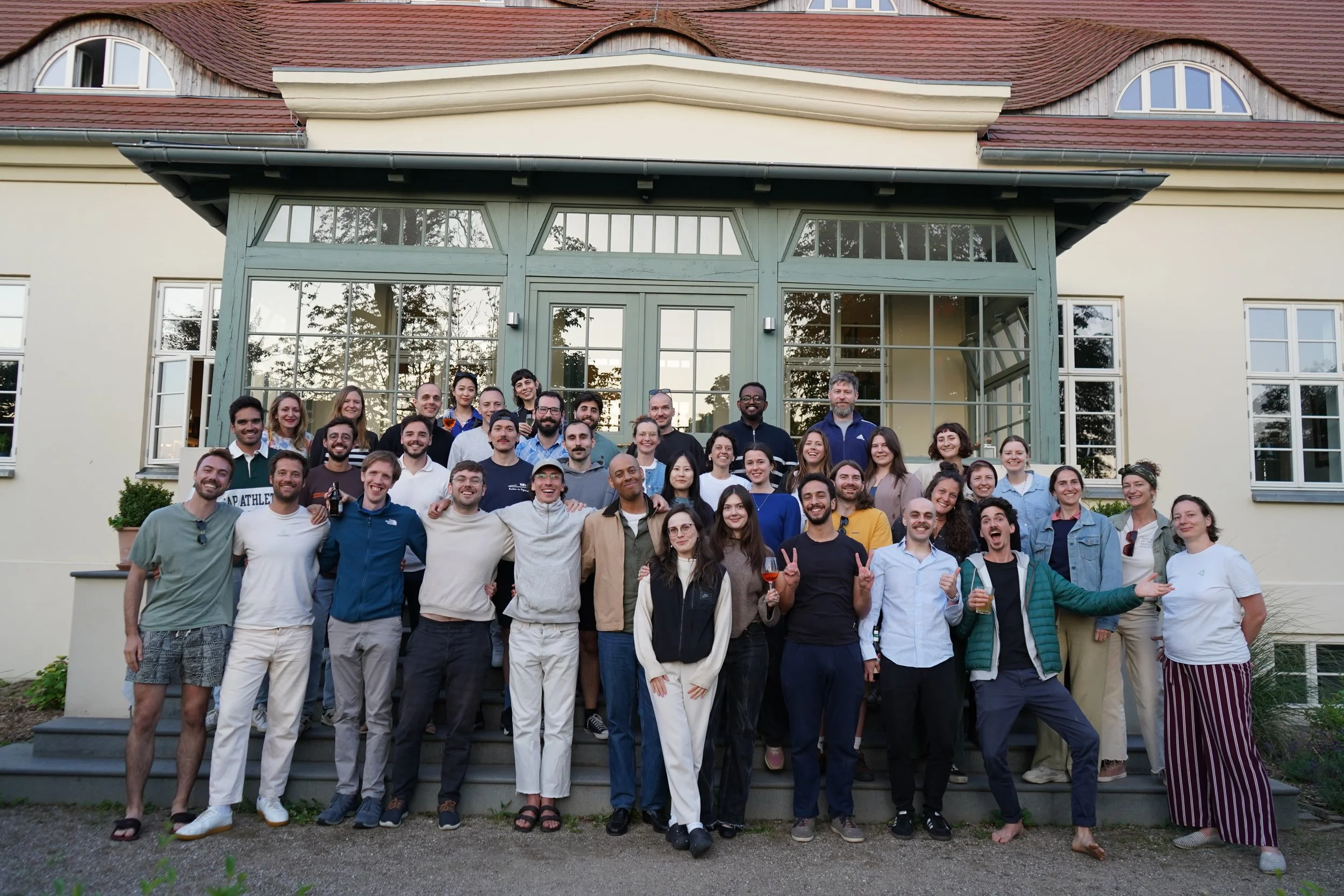
Four months into the Design Lead role, discussions with Cozero's founders centred on the critical challenge of Time-to-Value (TTV), as customer onboarding took an average of 6 months and relied on endless custom solutions. While TTV is a concrete metric, making it actionable was difficult because its ownership was diffused across key cross-functional teams: Product, Sales, Customer Success, and Climate (Science). Recognising this systemic and complex challenge, I decided to tackle it at the upcoming summer offsite with a series of company-wide workshops.
Framing the problem
Cross-team collaboration: Individual teams developed ad hoc solutions for their local touchpoints. This lack of centralised process created complex, hidden dependencies, execution friction, and significant operational inefficiencies that directly inhibited our Time-to-Value.
Fragmented Customer Experience: The team lacked a unified "red thread" connecting internal operations to the customer's journey. This fragmentation, compounded by a highly customised, low-scalability onboarding process, resulted in inconsistent service, duplicated internal work, and a high-effort experience for our customers, who view Cozero as a single entity.
Grounding Product in Purpose (Life-Centred Design): As a mission-driven company, it was essential to "zoom out" beyond daily computer tasks and reconnect with the core why. Adopting a Life-Centred Design lens, reinforced by connecting with nature, helped ensure that proposed solutions were strategically aligned with the ultimate goal of climate action and cultivated the right mindset for systemic innovation.
Process
Two distinct, highly facilitated workshops were designed and executed for 46 cross-functional participants to tackle the why and the what of the business.
Workshop 1: Grounding in Purpose
Goal: Reconnect with nature and with Cozero’s mission.
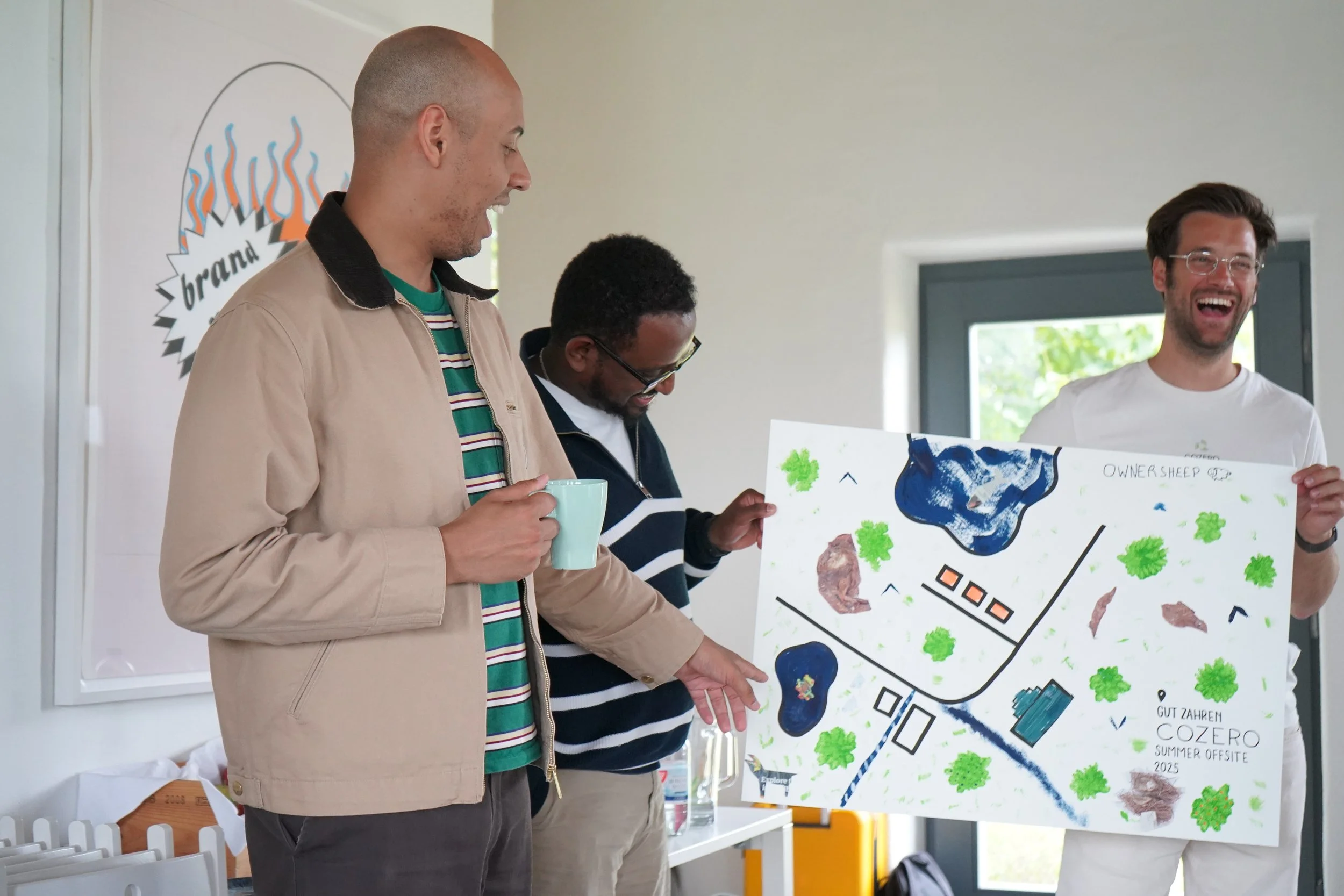
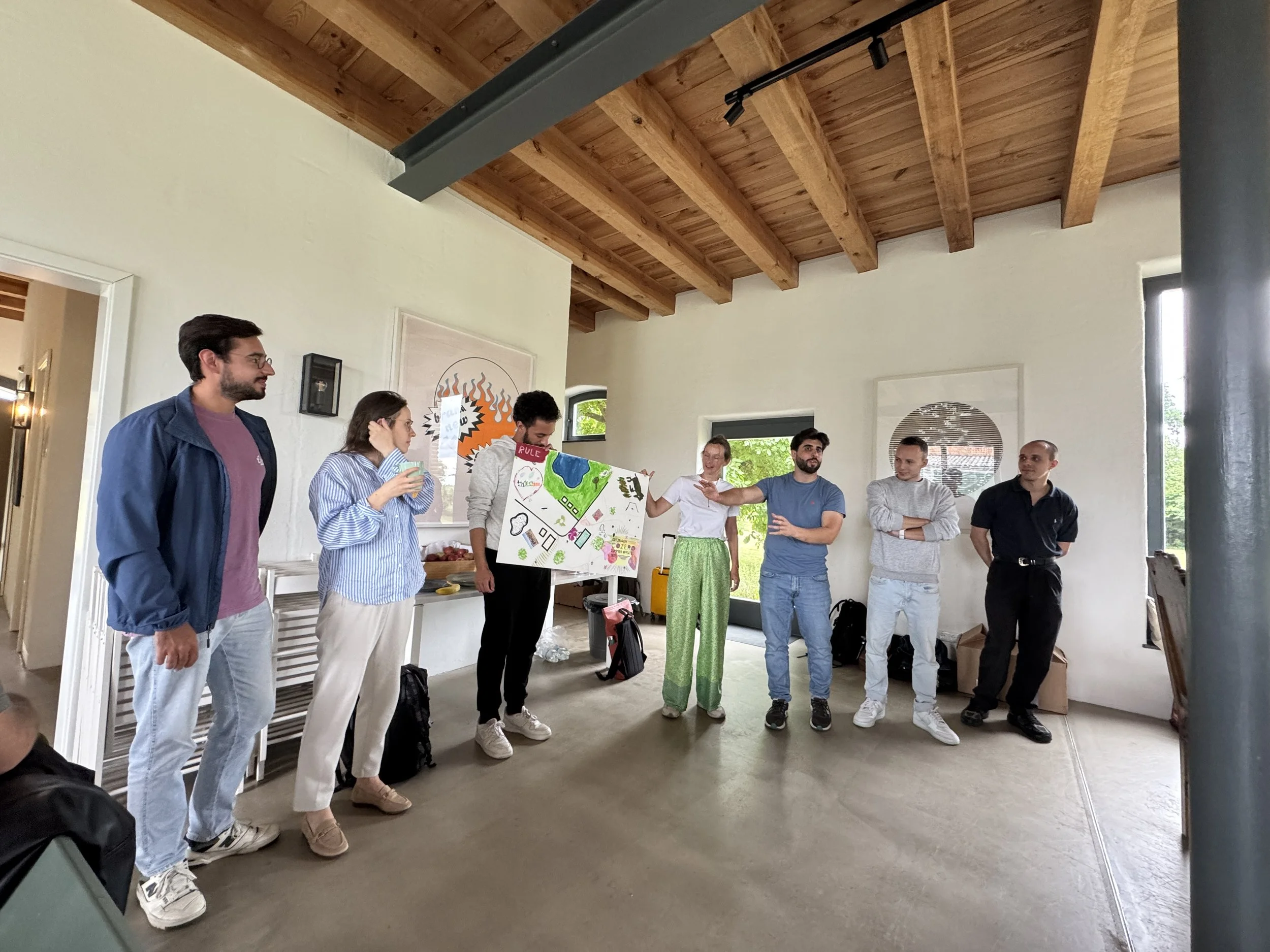
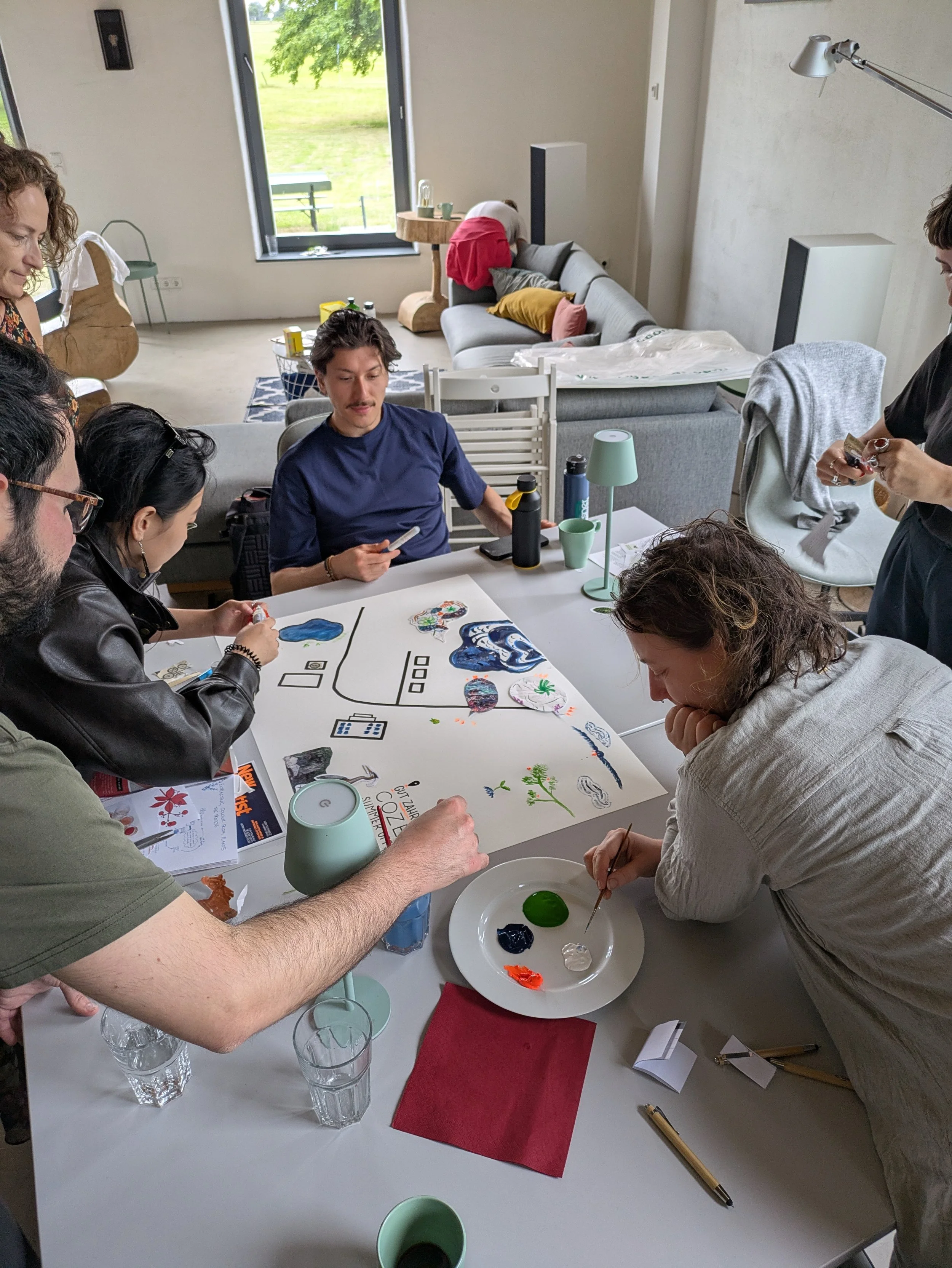
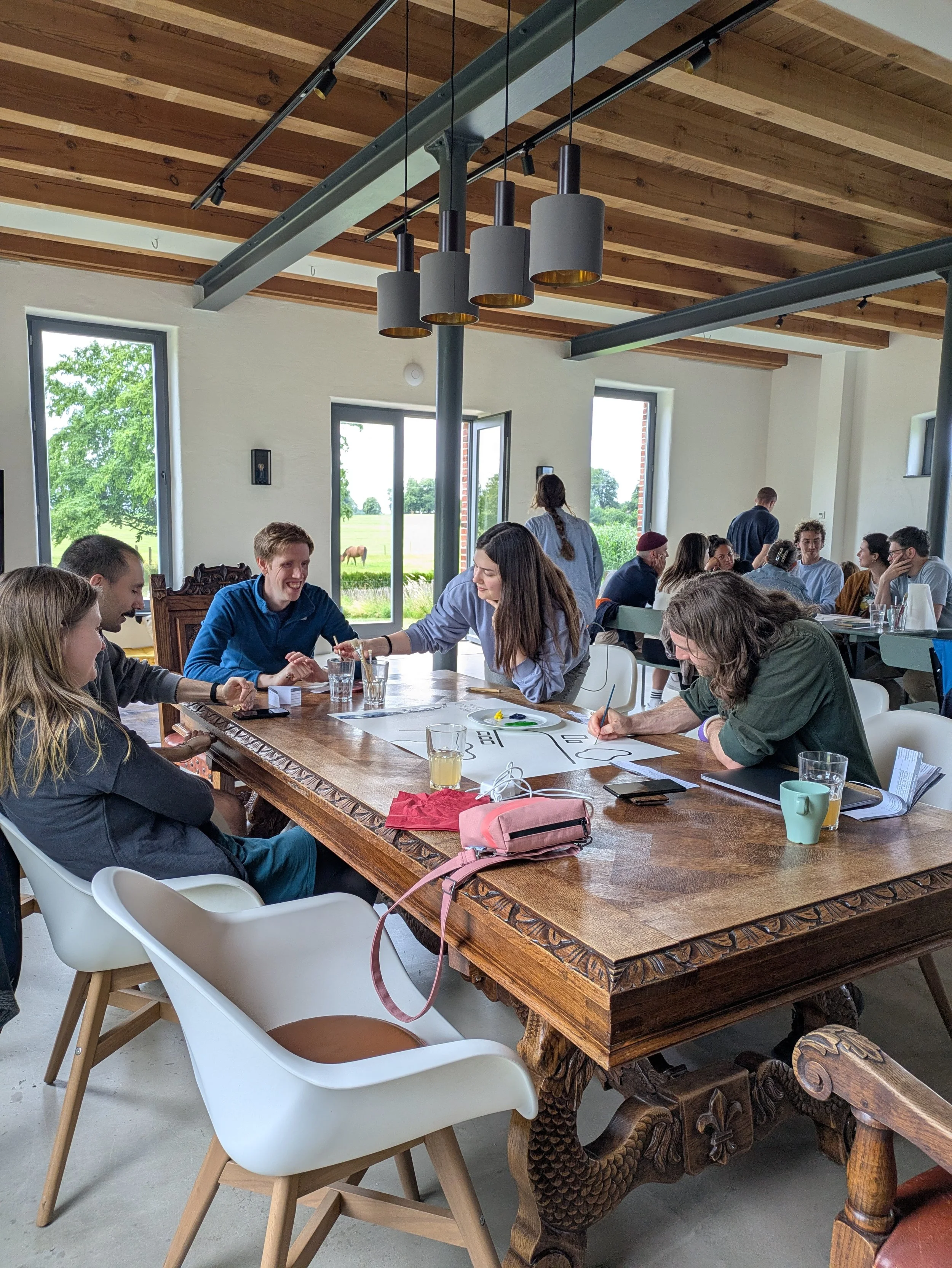
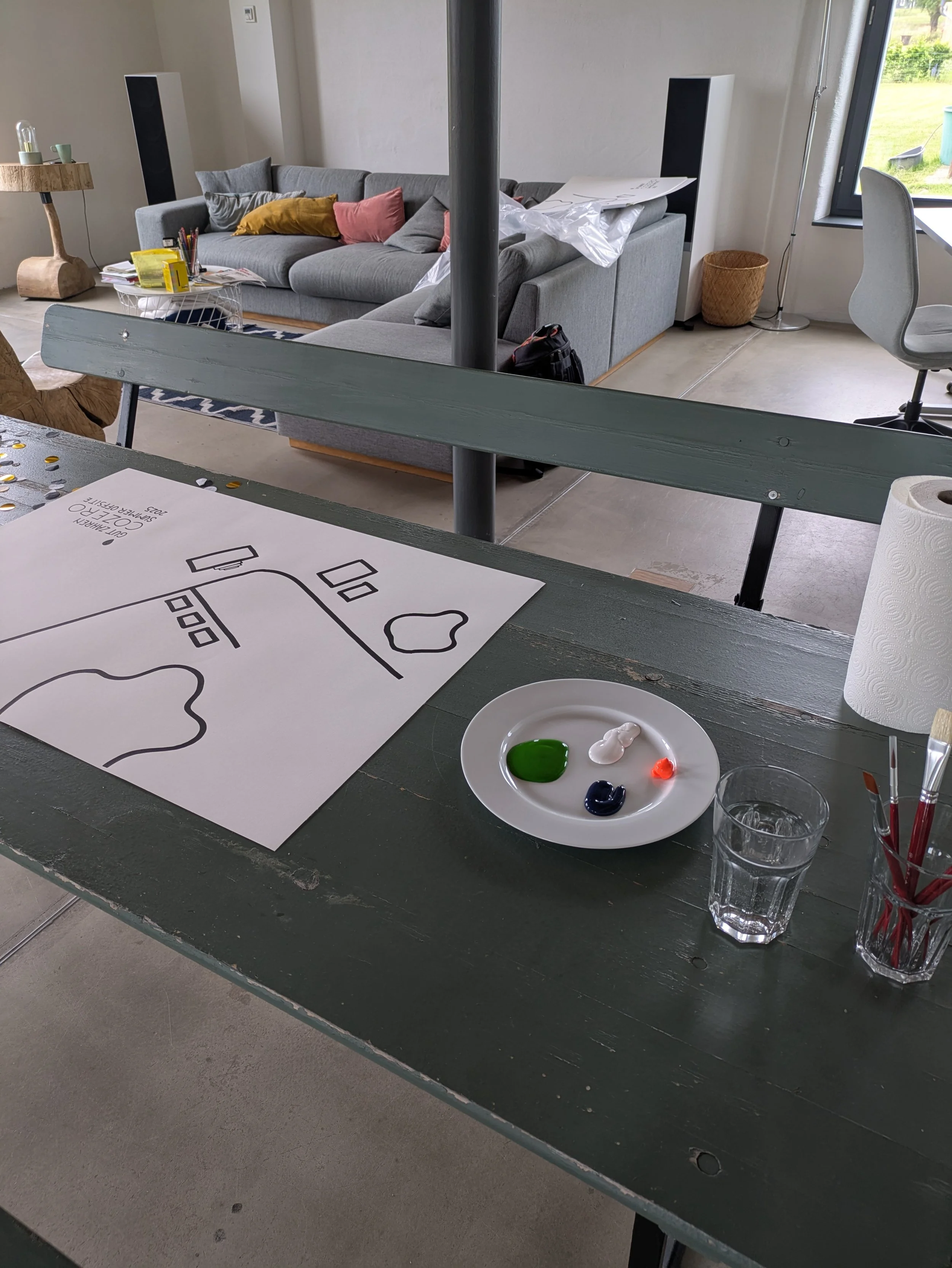
Methodology: Applied principles of Life Centred Design, starting with an individual nature observation and culminating in a collective art project to represent the company's mission and values visually.
Impact: Created an immersive, non-digital, creative space that encouraged deep connection and reinforced the shared regenerative purpose before addressing business challenges.

Workshop 2: Connecting through the Customer Journey
The goal was tuild a Customer Journey Map to serve as a visualisation and action-planning tool, specifically aimed at reducing customer Time to Value (current: 6 months). Gain a clear understanding of the various teams' tasks, responsibilities, and inter-dependencies.
To prepare for the offsite, I collaborated with the Customer Success team to map the customers’ Jobs to be Done (JTBD) throughout the customer journey. We delved into their daily tasks, which allowed us to visualise internal processes, key performance indicators (KPIs), and touchpoints. This unified view was a crucial foundation for the workshop, ensuring a shared understanding and alignment on process complexity, names, and cross-team dependencies from the outset.
Opening
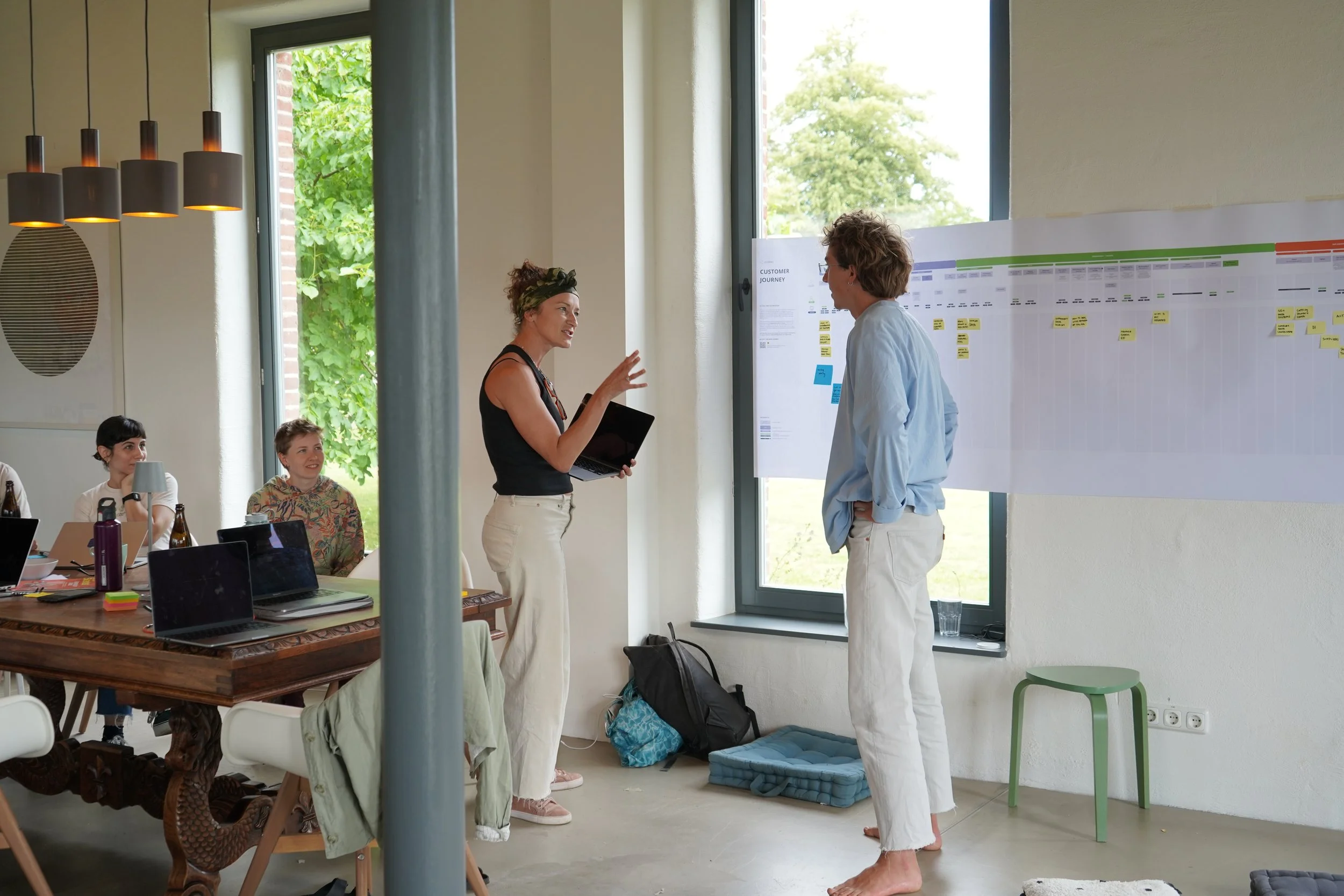
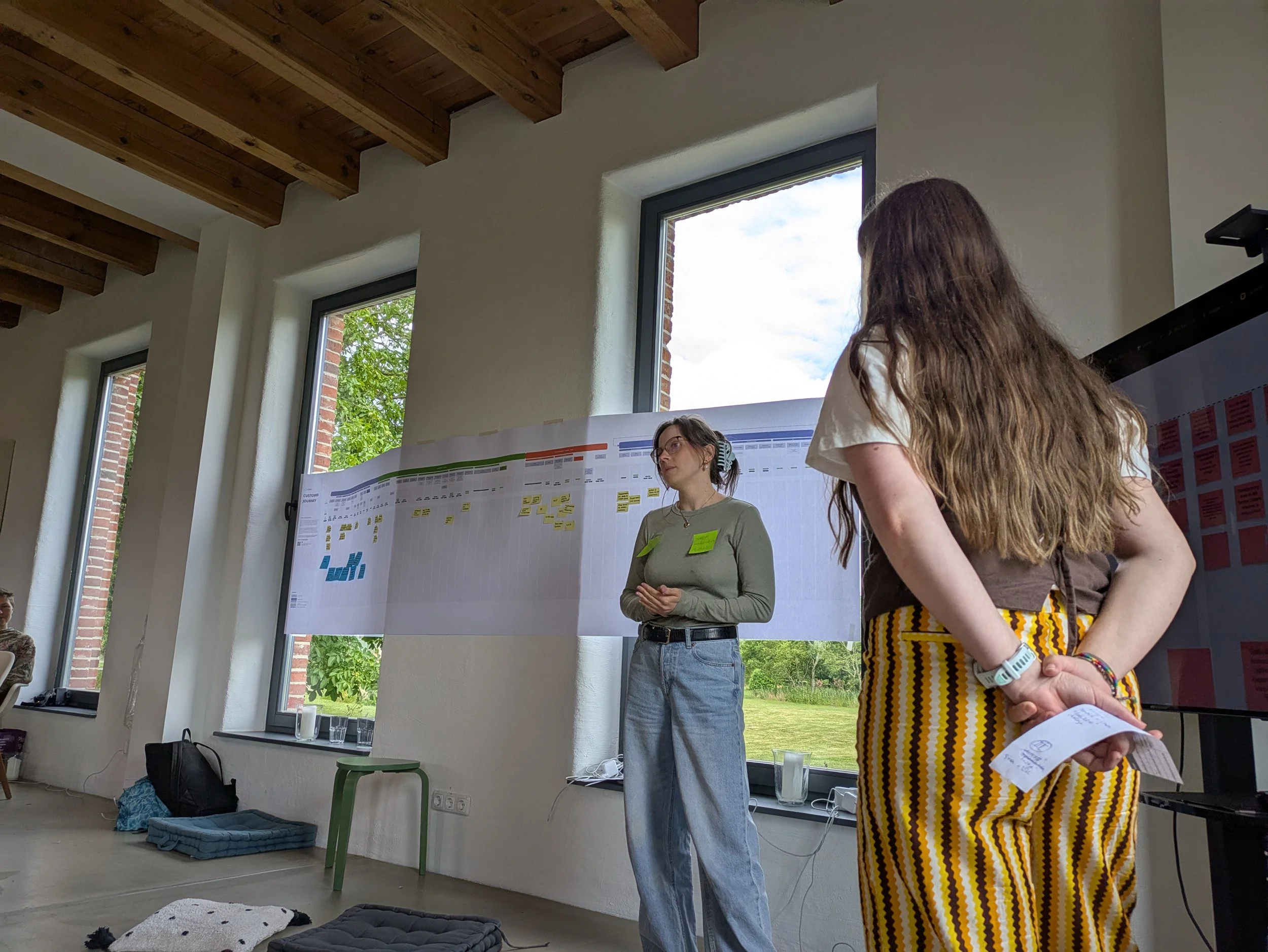
The workshop began with a brief introduction and a high-level overview of the Customer Journey. To make this concept more tangible, we used a three-meter-long printed physical version, which successfully generated significant impact and immediately engaged the participants in conversation. Following the introduction, a quick ice-breaker activity was conducted to form small working groups, ensuring that all represented teams had members in each group.
Activity 1: Pain points, value drivers and KPIs
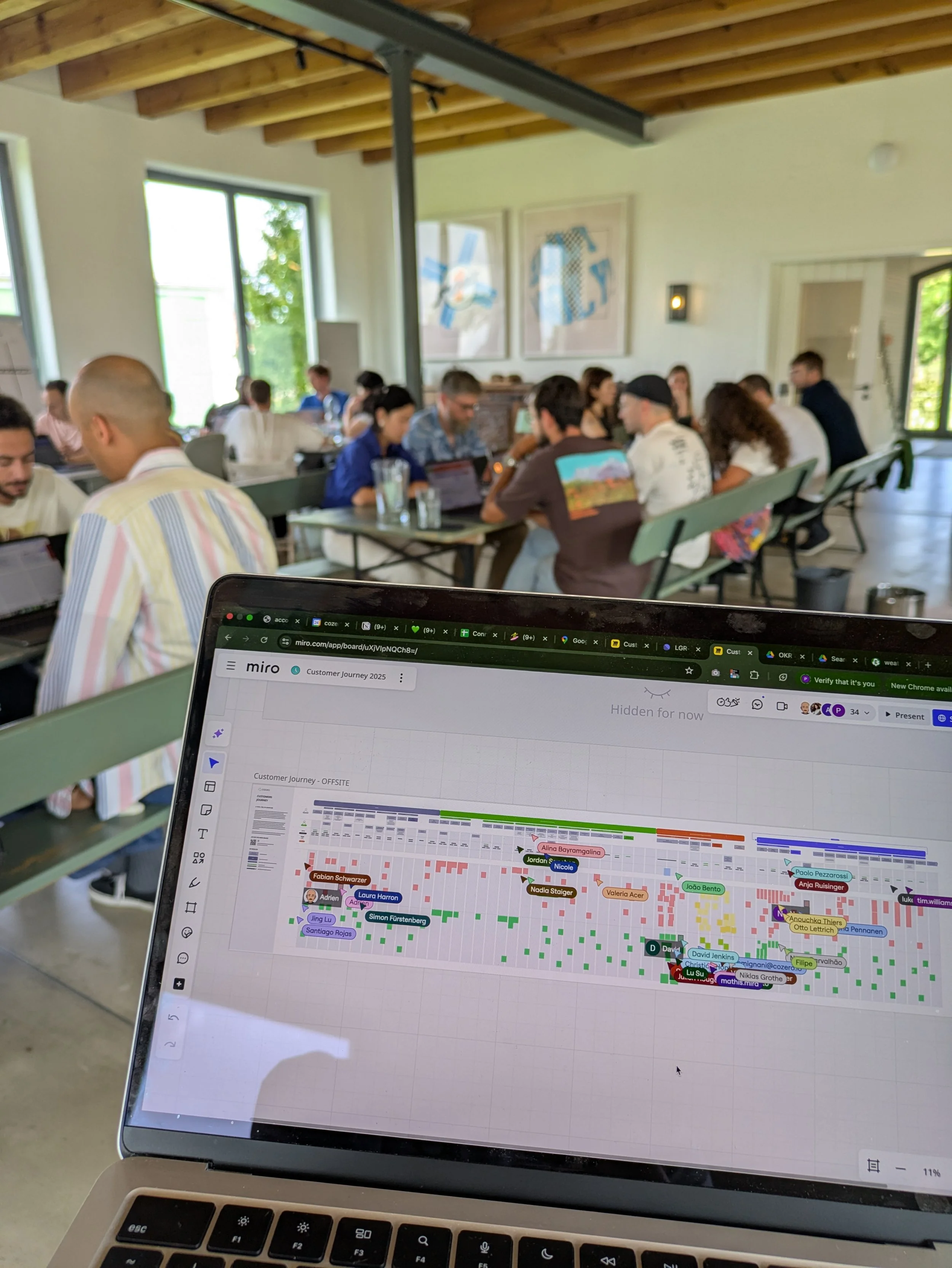
Eachgroup was assigned to a section of the customer journey, and their task was to identify pain points (what frustrates or hinders the customer), value drivers (what truly delivers benefit or helps them achieve their JTBD) and KPIs (indicators of added value for our customers). The invitation was to share real-life examples from their perspective and experiences with customers.
Activity 2: Role-Playing
After a break, it was time to put the complete story together. Each group created a short, dynamic skit or story to embody the experience of a customer navigating an assigned phase of the journey. This exercise was not only enjoyable but also fostered empathy by showcasing diverse customer stories across the sales, onboarding, and emissions measurement processes.
Closing
To conclude the session, participants were asked to reflect on the day's learning and identify one idea or initiative they could launch the following Monday to improve our customers' Time to Value. This brief reflection then led us back to the Customer Journey map, which serves as a vital tool for driving conversations, achieving alignment and visibility, and fostering cross-team collaboration. Ultimately, the customer experience is the unifying "red thread" that connects the entire company.
Outcome
The facilitated design methodology successfully converted abstract strategic challenges into shared, actionable knowledge, resulting in:
Cross-Functional Alignment: The CJM moved from being a design document to being the single source of truth for strategic prioritisation across the company. Discussions were immediately anchored in customer pain points.
Time to Value Insights: Generated a high-volume set of pain points and value drivers explicitly tied to the speed of value delivery. This immediately informed Q3/Q4 product planning by highlighting inter-team dependencies that were previously invisible.
Cultivating Empathy: The role-playing activity served as a powerful empathy accelerator, consolidating complex customer stories and internal processes into memorable, fun stories.
Strengthening Design Leadership: Established the Design Lead role as a key strategic facilitator for aligning the company’s mission, product strategy, and cross-functional execution. Proving how design tools can have an impact on fostering cross-team collaboration and co-creation.
LEARNING:
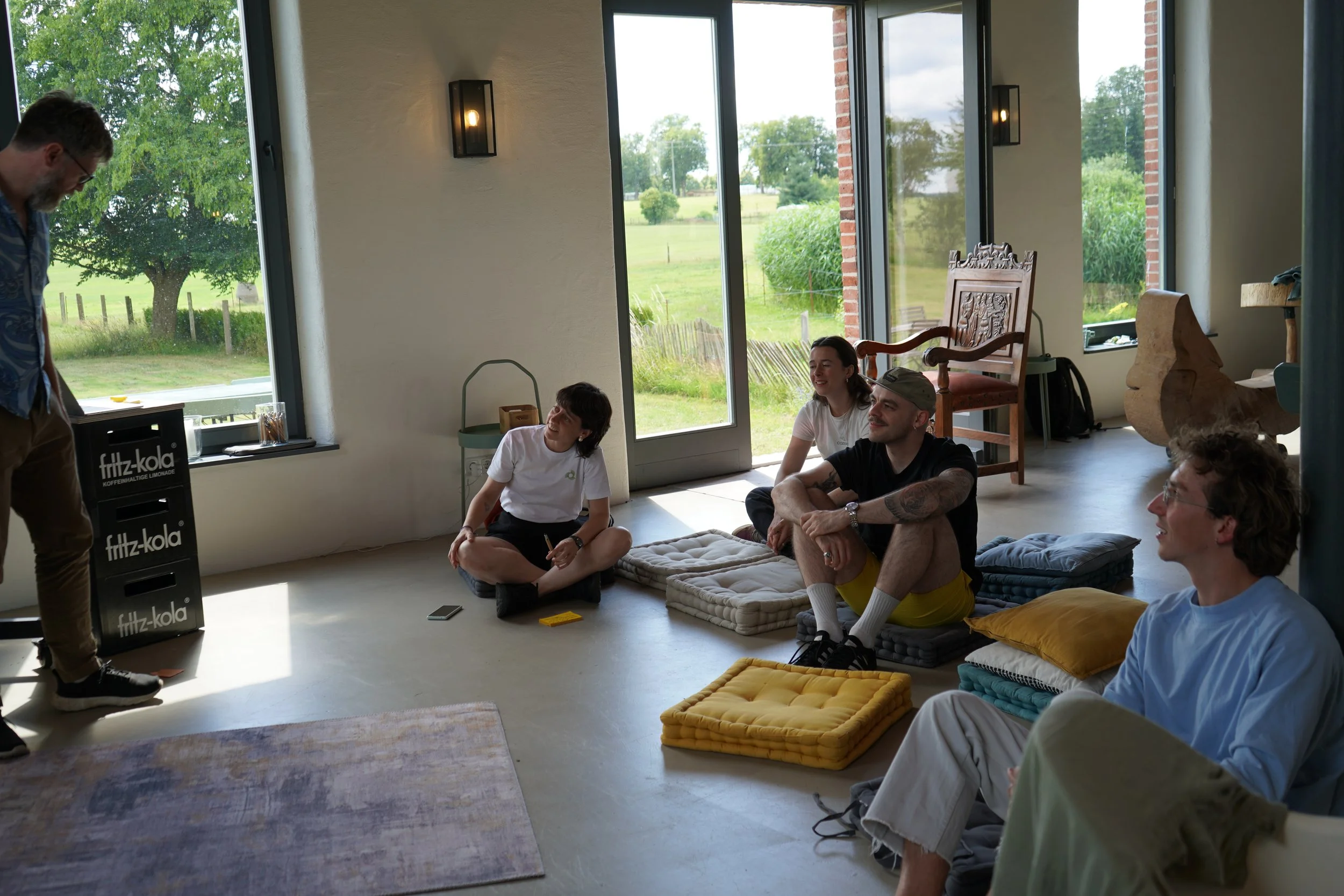
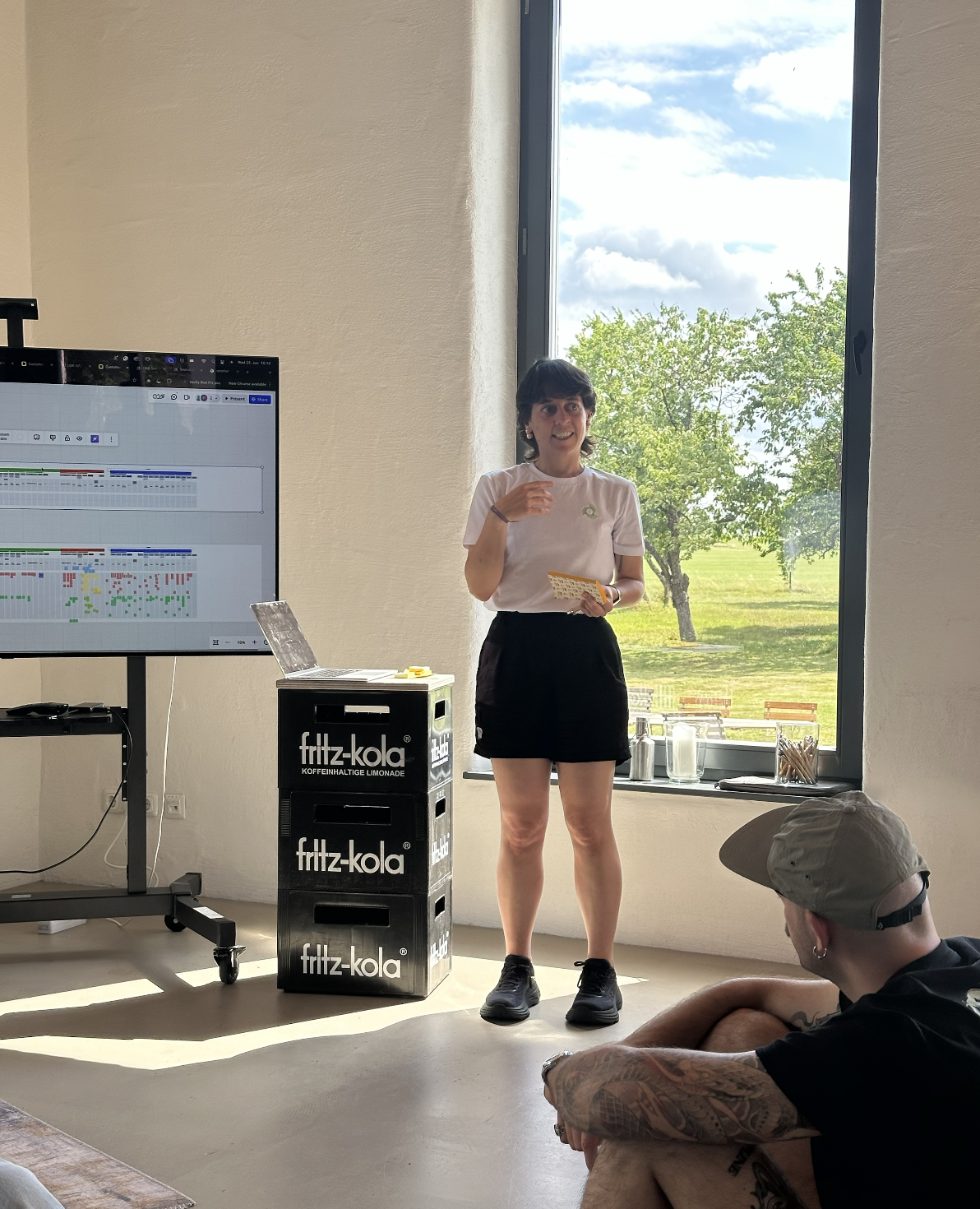
The energy from the summer offsite is still palpable in the pictures: 46 people collaborating, vibrant discussions, crazy MIRO boards, smiles and post-its mixed up. This experience goes beyond just team building; it's about fostering alignment, shaping our culture, driving collaboration, and cultivating profound empathy with our customers to help them drive climate action.